culture
Chinese tea culture: 茶 (chá), the six types and the tea table
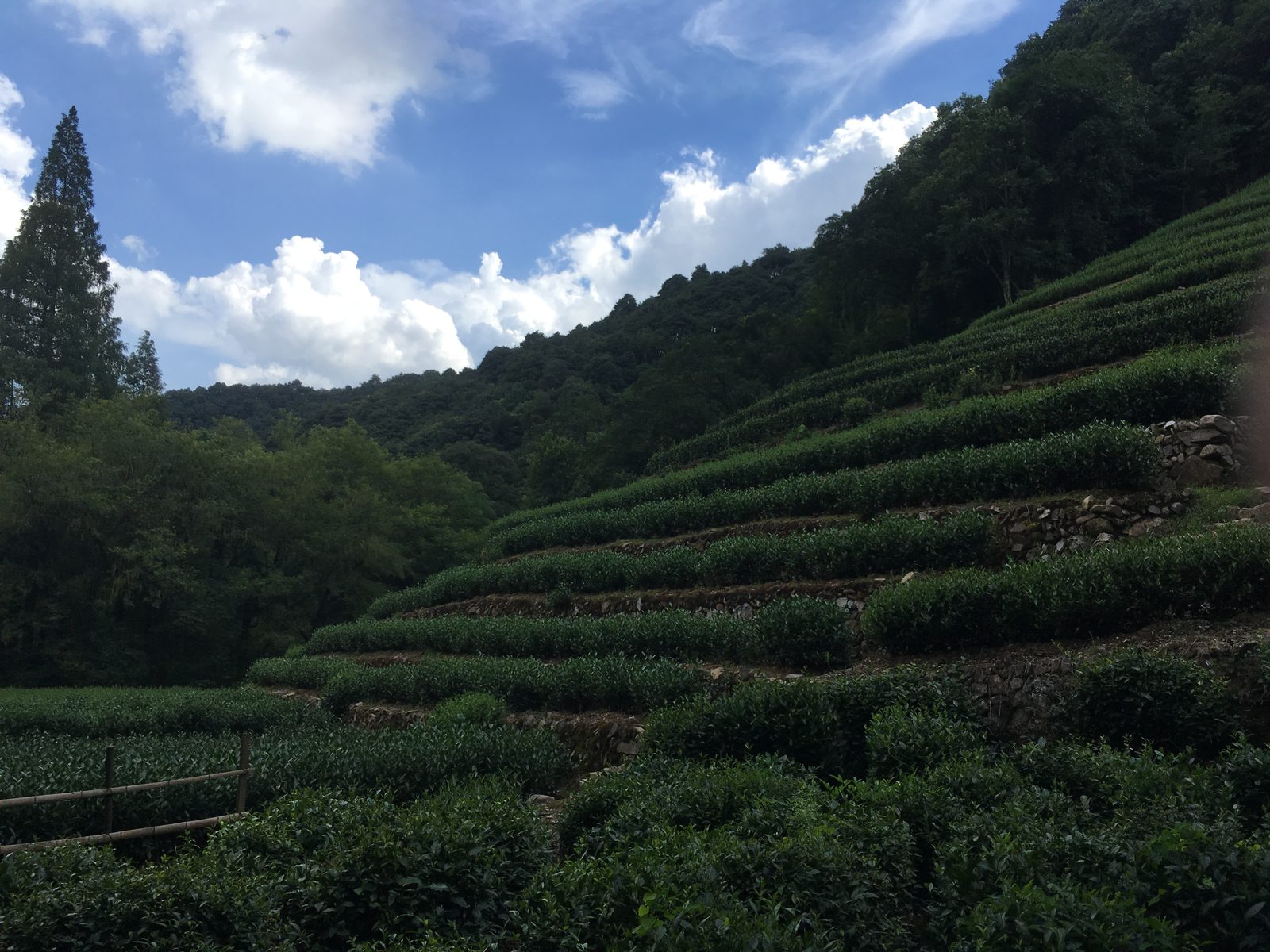
Steam rises off a tray before the food arrives. In China, 茶 (chá) is hospitality first and flavour second: a host pours, guests sip, and talk finds its pace around the pot. Walk the hills that grow the leaf, learn the six families, watch a short pour, and pick up the single words you can study in HanziBook.
Tea as culture
Tea began as leaf and water and became a social code. Offering 茶 (chá) says you are welcome; accepting it says you will stay a while. Offices keep a thermos, trains sell paper cups, and parks hide stone tables where friends rinse cups for an hour.
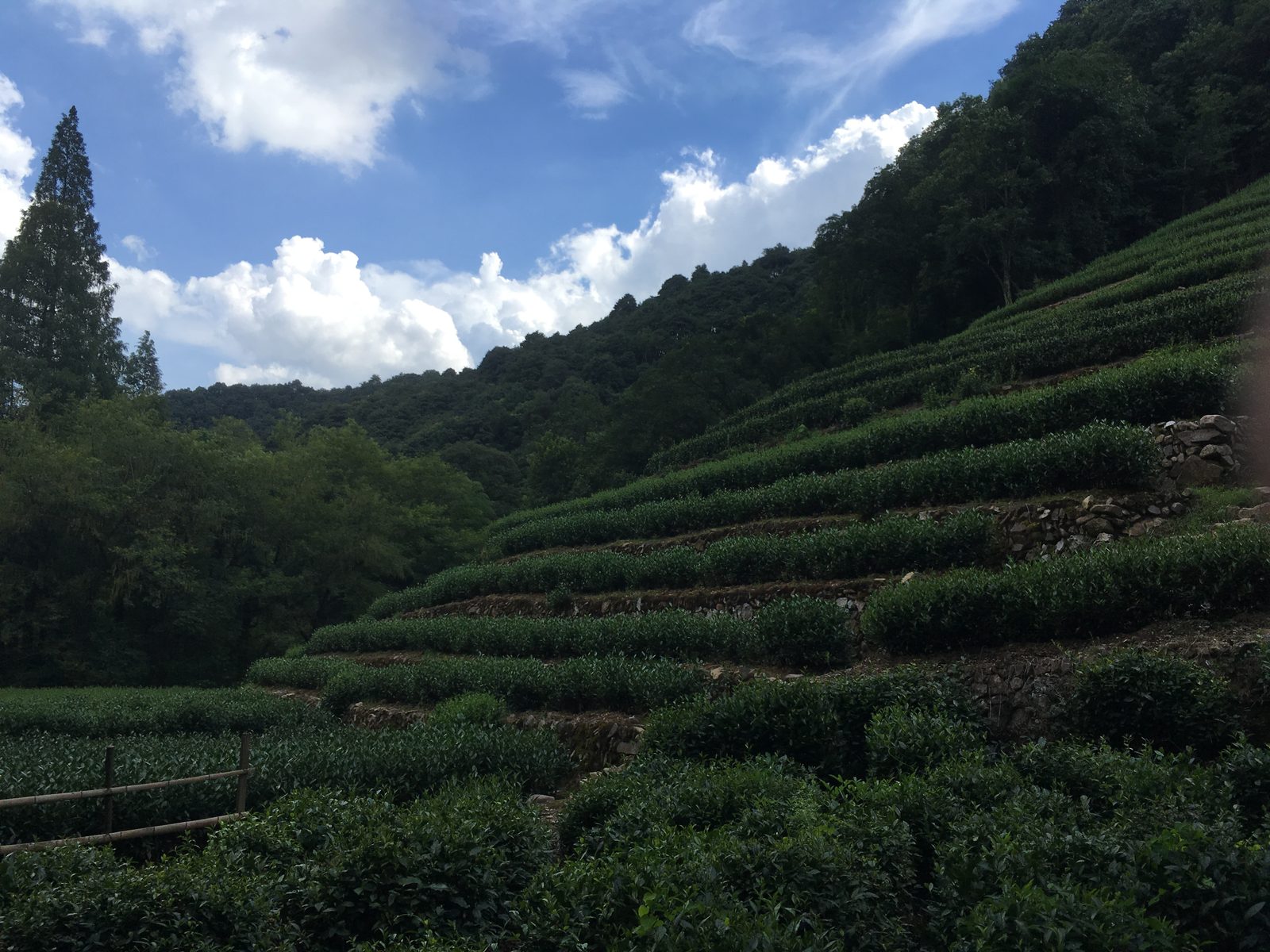
The plant behind every cup is 茶树 (cháshù). Processing - how long the leaf oxidises, whether it is steamed, pan-fired, rolled or fermented - turns one bush into green, white, oolong, red or dark tea. Culture sits on top of that craft: the pour, the thank-you tap of two fingers, the quiet of a teahouse afternoon.
- 茶 chá - tea - can be studied in HanziBook Study →
- 茶道 chádào - the way of tea - can be studied in HanziBook Study →
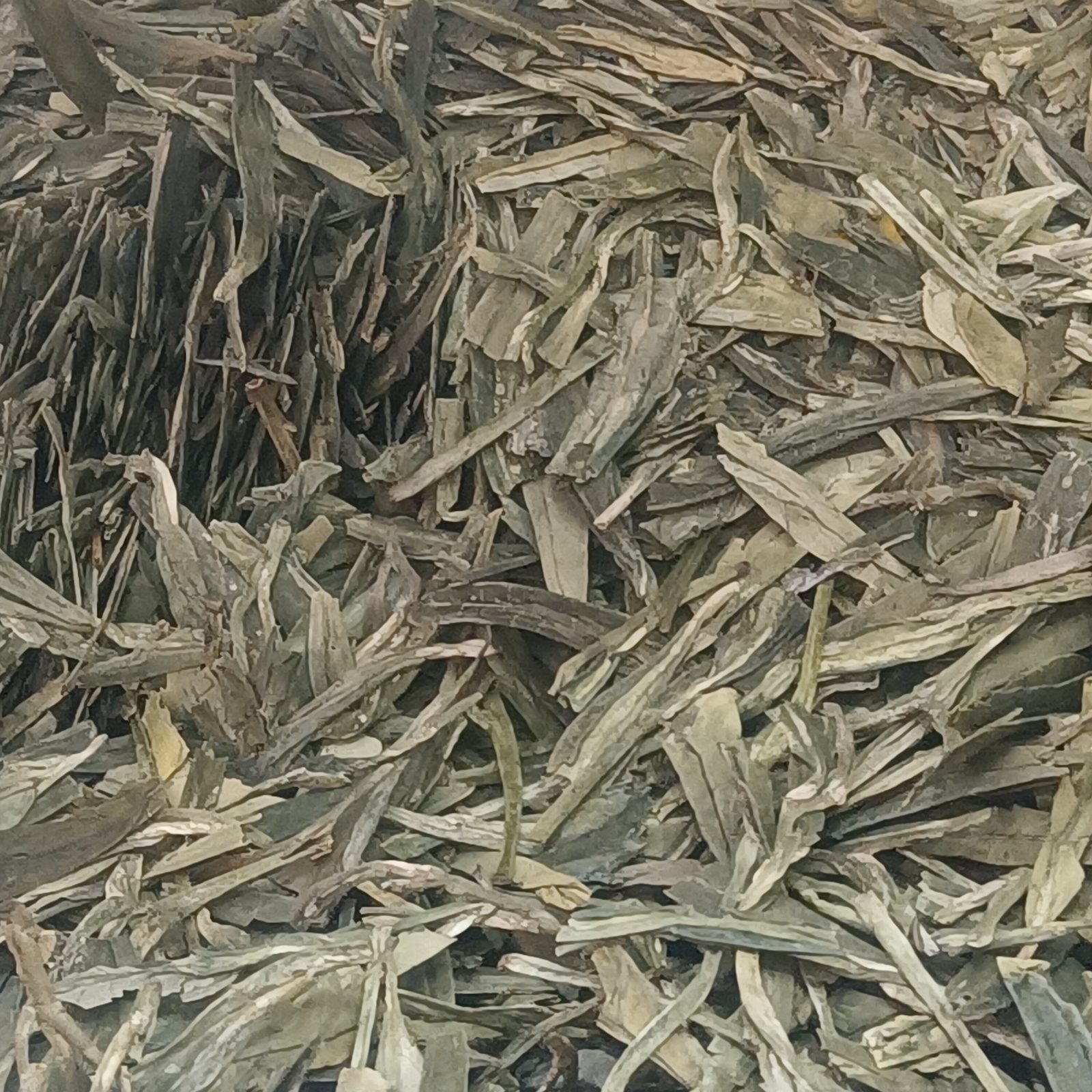
- 茶叶 cháyè - tea leaves - can be studied in HanziBook Study →
- 味道 wèidào - flavour; taste - can be studied in HanziBook Study →
- 香 xiāng - fragrant; aroma - can be studied in HanziBook Study →
The six types of tea
Chinese tea talk starts with colour families, not brand names. The same leaf becomes different drinks once oxidation and firing change.
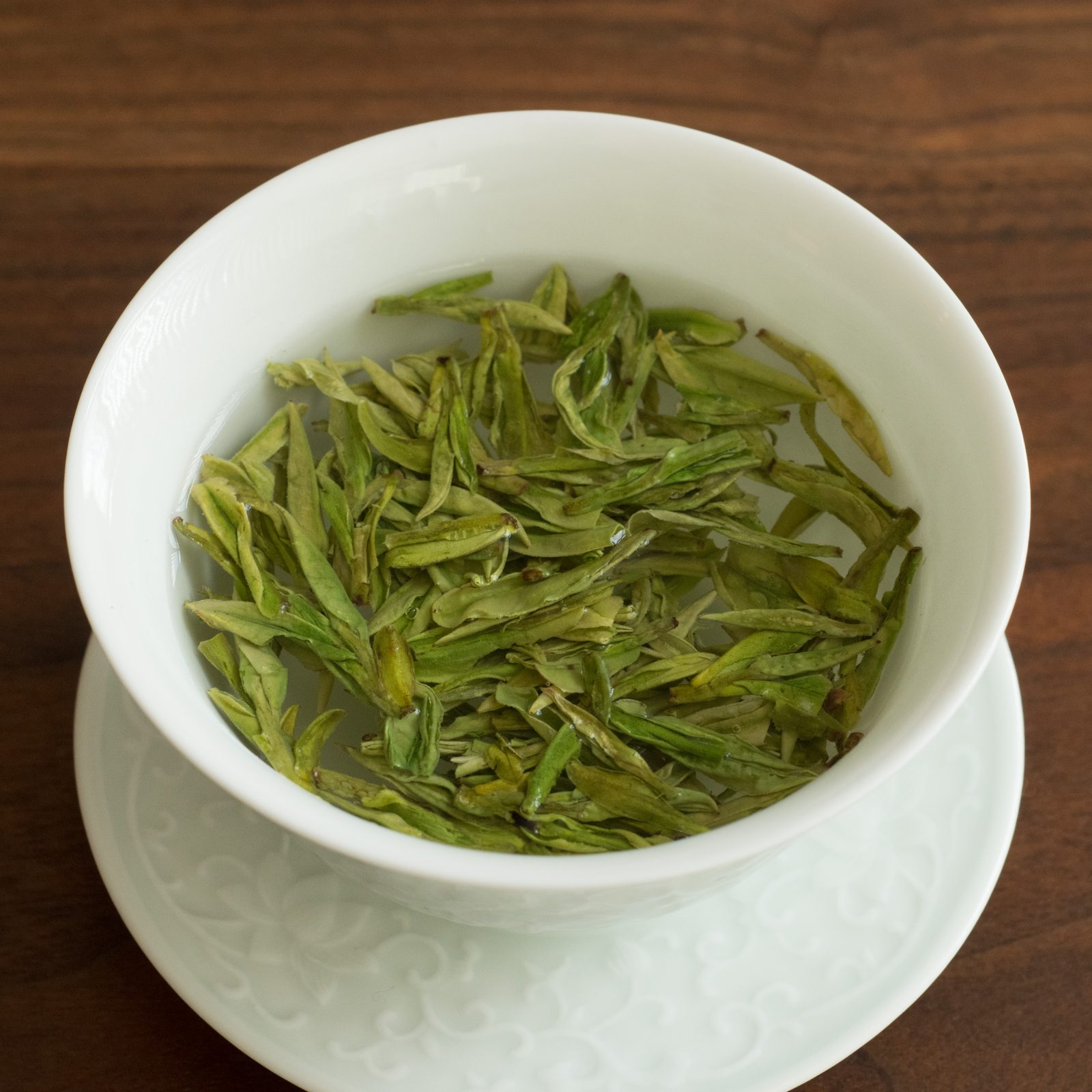
绿茶 (lǜchá, green tea) is the least processed and the everyday pour: fresh, grassy, hot. 红茶 (hóngchá, red tea) is what English calls black tea - fully oxidised, deeper in the cup. 乌龙茶 (wūlóng chá, oolong) sits between them, partly oxidised and often floral.
白茶 (báichá, white tea) is barely handled and lightly dried. 黑茶 (hēichá, dark tea) is fermented and often pressed - the family of 普洱茶 (pǔ'ěr chá). 花茶 (huāchá) adds scent, usually jasmine. 奶茶 (nǎichá) is the modern street cousin: tea plus milk and sugar.
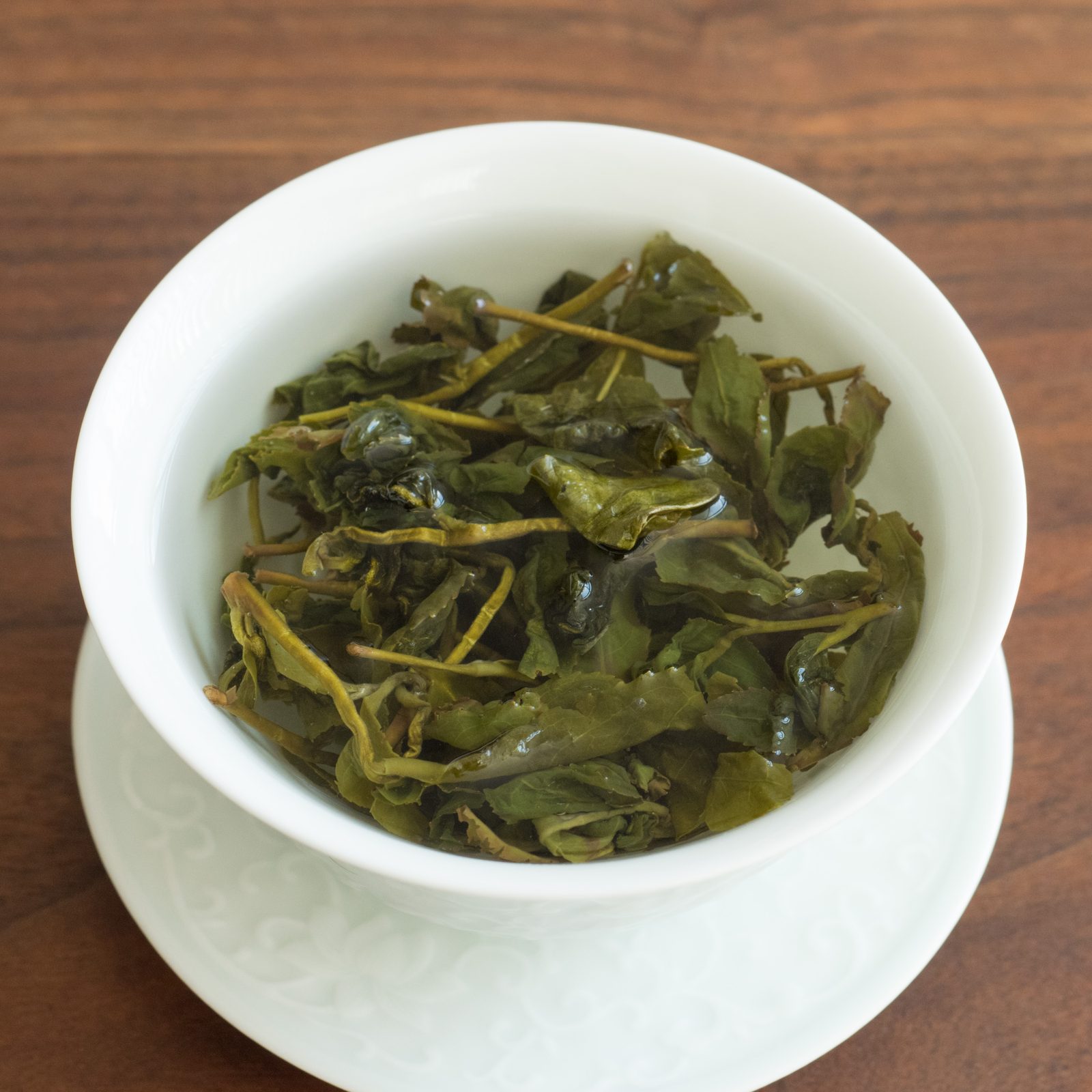
- 绿茶 lǜchá - green tea - can be studied in HanziBook Study →
- 红茶 hóngchá - red tea (black tea in English) - can be studied in HanziBook Study →
- 奶茶 nǎichá - milk tea - can be studied in HanziBook Study →
- 绿 lǜ - green - can be studied in HanziBook Study →
- 红 hóng - red - can be studied in HanziBook Study →
- 白 bái - white - can be studied in HanziBook Study →
- 黑 hēi - black; dark - can be studied in HanziBook Study →
- 花 huā - flower - can be studied in HanziBook Study →
- 奶 nǎi - milk - can be studied in HanziBook Study →
- 叶 yè - leaf - can be studied in HanziBook Study →
Single words such as 茶 (chá) and 绿茶 (lǜchá) appear on the Study list below and as underlined links in the text when HanziBook can open them. Full sentences such as 有什么茶? (yǒu shénme chá?) stay in the order table - they are phrases, not word-list entries.
Famous names to recognise
Gift boxes and teashop shelves use these names more than the colour families. Learn the characters so a wall of tins becomes a short reading lesson.
| Name | Pinyin | What it is |
|---|---|---|
| 龙井 (Lóngjǐng) | Lóngjǐng | Famous flat-leaf green tea from Hangzhou |
| 铁观音 (Tiěguānyīn) | Tiěguānyīn | Classic oolong, orchid-scented |
| 大红袍 (Dàhóngpáo) | Dàhóngpáo | Prized rock oolong from the Wuyi mountains |
| 碧螺春 (Bìluóchūn) | Bìluóchūn | Delicate curled green tea from Jiangsu |
| 茉莉花茶 (mòlì huāchá) | mòlì huāchá | Jasmine-scented tea |
| 普洱茶 (pǔ'ěr chá) | pǔ'ěr chá | Fermented dark tea, often pressed into cakes |
A clean mid-price 龙井 (Lóngjǐng) or 铁观音 (Tiěguānyīn) teaches aroma better than an expensive sealed gift set you never open.
How the tea table works
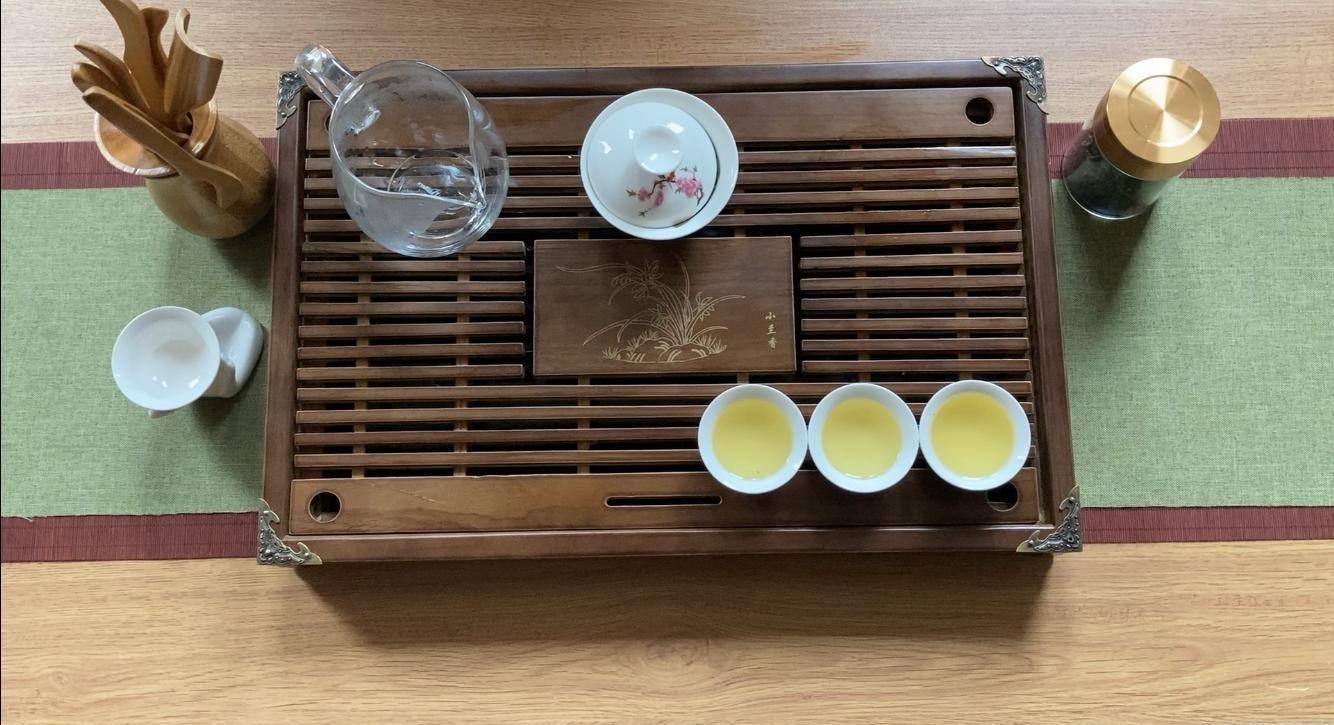
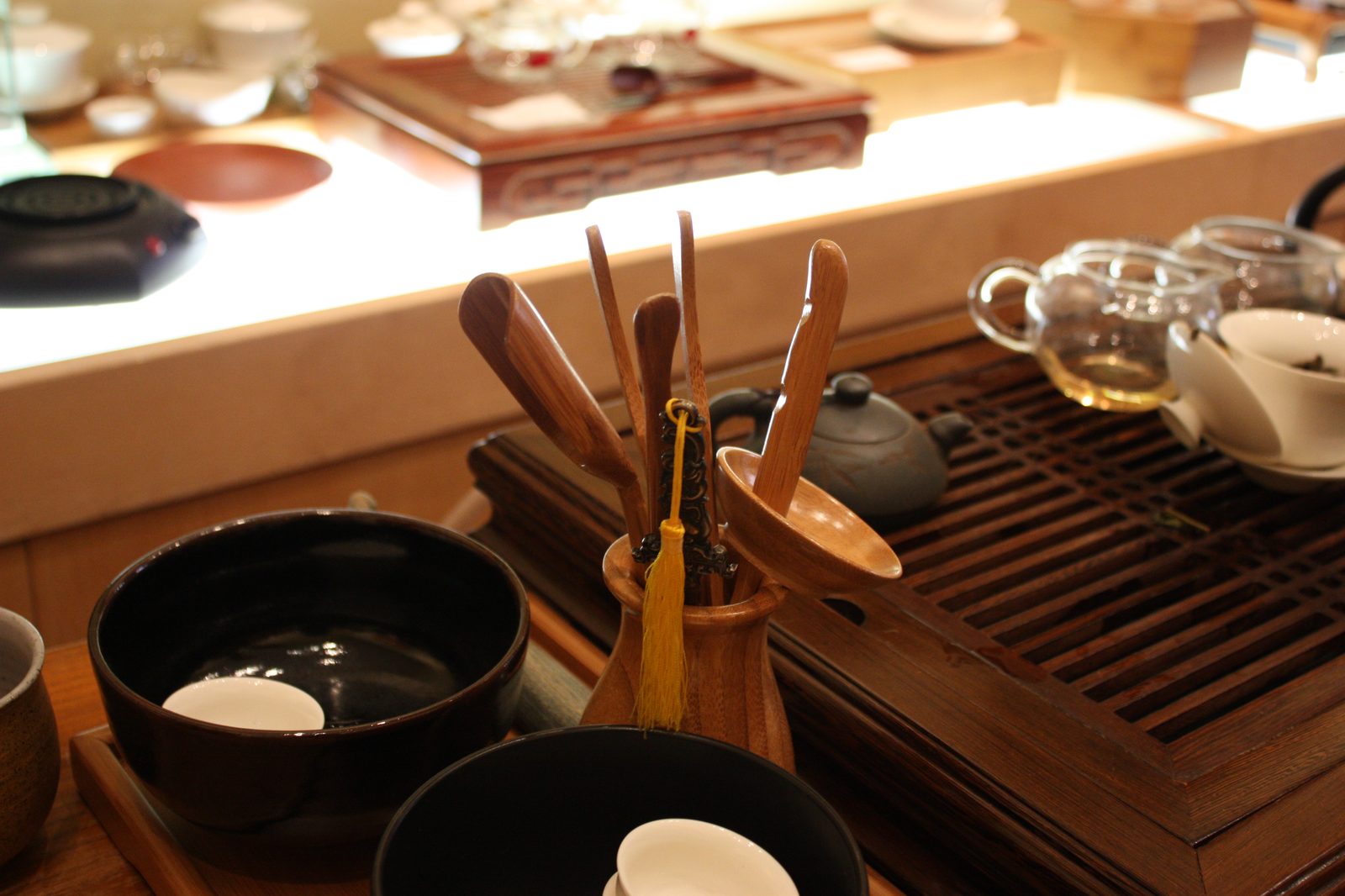
One person pours for the table. A small pot or 盖碗 (gàiwǎn) feeds tiny cups that are refilled before they cool. Two fingers tapped on the table say thank you without breaking the talk.
The first rinse often goes away to wake the leaves; the second steeping is the one people drink. Gongfu style - 功夫 (gōngfu) tea - means many short steeps from a tiny pot, watching the leaf open as closely as tasting the liquor.
Teahouses stretch the afternoon. Street counters and restaurants keep it simple: one glass, hot water topped up, no ceremony required.
- 功夫 gōngfu - skill; gongfu (as in the tea method) - can be studied in HanziBook Study →
- 杯 bēi - cup; glass - can be studied in HanziBook Study →
- 壶 hú - pot; kettle - can be studied in HanziBook Study →
- 水 shuǐ - water - can be studied in HanziBook Study →
- 热 rè - hot - can be studied in HanziBook Study →
- 冷 lěng - cold - can be studied in HanziBook Study →
- 喝 hē - to drink - can be studied in HanziBook Study →
- 苦 kǔ - bitter - can be studied in HanziBook Study →
- 甜 tián - sweet - can be studied in HanziBook Study →
- 涩 sè - astringent; drying on the tongue - can be studied in HanziBook Study →
Words to study
These are single words from the article - 茶 (chá), not full questions like 有什么茶? (yǒu shénme chá?). Each Study row opens strokes and audio in HanziBook when the word is in the dictionary.
- 茶 chá - tea - can be studied in HanziBook Study →
- 绿茶 lǜchá - green tea - can be studied in HanziBook Study →
- 红茶 hóngchá - red / black tea - can be studied in HanziBook Study →
- 奶茶 nǎichá - milk tea - can be studied in HanziBook Study →
- 茶叶 cháyè - tea leaves - can be studied in HanziBook Study →
- 茶道 chádào - the way of tea - can be studied in HanziBook Study →
- 功夫 gōngfu - skill; gongfu tea method - can be studied in HanziBook Study →
- 味道 wèidào - flavour - can be studied in HanziBook Study →
- 清淡 qīngdàn - light; mild - can be studied in HanziBook Study →
- 香 xiāng - fragrant - can be studied in HanziBook Study →
- 请 qǐng - please; to invite - can be studied in HanziBook Study →
- 谢谢 xièxie - thank you - can be studied in HanziBook Study →
- 喝 hē - to drink - can be studied in HanziBook Study →
- 水 shuǐ - water - can be studied in HanziBook Study →
- 热 rè - hot - can be studied in HanziBook Study →
- 杯 bēi - cup - can be studied in HanziBook Study →
- 壶 hú - pot - can be studied in HanziBook Study →
- 糖 táng - sugar - can be studied in HanziBook Study →
- 加 jiā - to add - can be studied in HanziBook Study →
- 要 yào - to want - can be studied in HanziBook Study →
Tap Study → on a highlighted row, or tap an underlined word in the prose, to open that word in HanziBook.
How to order tea
In a teahouse, ask for a recommendation the same way you would with food. Point at the tin if tones wobble. At a counter, name the drink, then size or sweetness.
| Chinese | Pinyin | When to use it |
|---|---|---|
| 有什么茶? (yǒu shénme chá?) | yǒu shénme chá? | What teas do you have? |
| 我要一杯绿茶 (wǒ yào yī bēi lǜchá) | wǒ yào yī bēi lǜchá | I would like a cup of green tea |
| 少糖 (shǎo táng) | shǎo táng | Less sugar |
| 不要糖 (bù yào táng) | bù yào táng | No sugar |
| 谢谢 (xièxie) | xièxie | Thank you |
In casual places the free refill is often plain hot 水 (shuǐ) over the same leaves, not a new pot. Ask for it and the glass lasts the afternoon.
Frequently asked questions
Why is 红茶 (hóngchá) called red tea?
Chinese names the drink by the colour in the cup, which looks reddish. English names the dry leaf "black tea". Same drink, different colour word.
What is the difference between 龙井 (Lóngjǐng) and 碧螺春 (Bìluóchūn)?
Both are green teas. 龙井 (Lóngjǐng) leaves are flat and pan-pressed with a chestnut note; 碧螺春 (Bìluóchūn) leaves are curled and lighter, with a floral edge.
Do I need the finger-tap thank you?
It is a polite touch at a formal table, not a rule. 谢谢 (xièxie) works everywhere. If the host taps, you can tap two fingers back.
Is 奶茶 (nǎichá) real tea culture?
It is tea plus milk and usually sugar - street-shop culture, not teahouse gongfu. Know both; do not order 奶茶 (nǎichá) during a quiet 功夫 (gōngfu) session.
Which words on this page can I study?
Single dictionary words such as 茶 (chá), 绿茶 (lǜchá) and 谢谢 (xièxie). They sit in the word lists with a Study → mark and appear as underlined links in the article. Phrases and questions stay in the order table only.


Comments
Join the discussion after the page loads.