culture
Black Friday and 双十一 (Shuāng shíyī): sale words that travel
November stacks two shopping calendars on one desk. In much of the West, Black Friday is the loud Friday after Thanksgiving. In China, the bigger day for many people is already behind them: 双十一 (Shuāng shíyī), 11 November, also called 光棍节 (Guānggùn jié). The banners look similar. The apps, the dates and the words do not. If you study Mandarin, this is a good week to learn how Chinese talks about a sale without memorising a fake countdown.
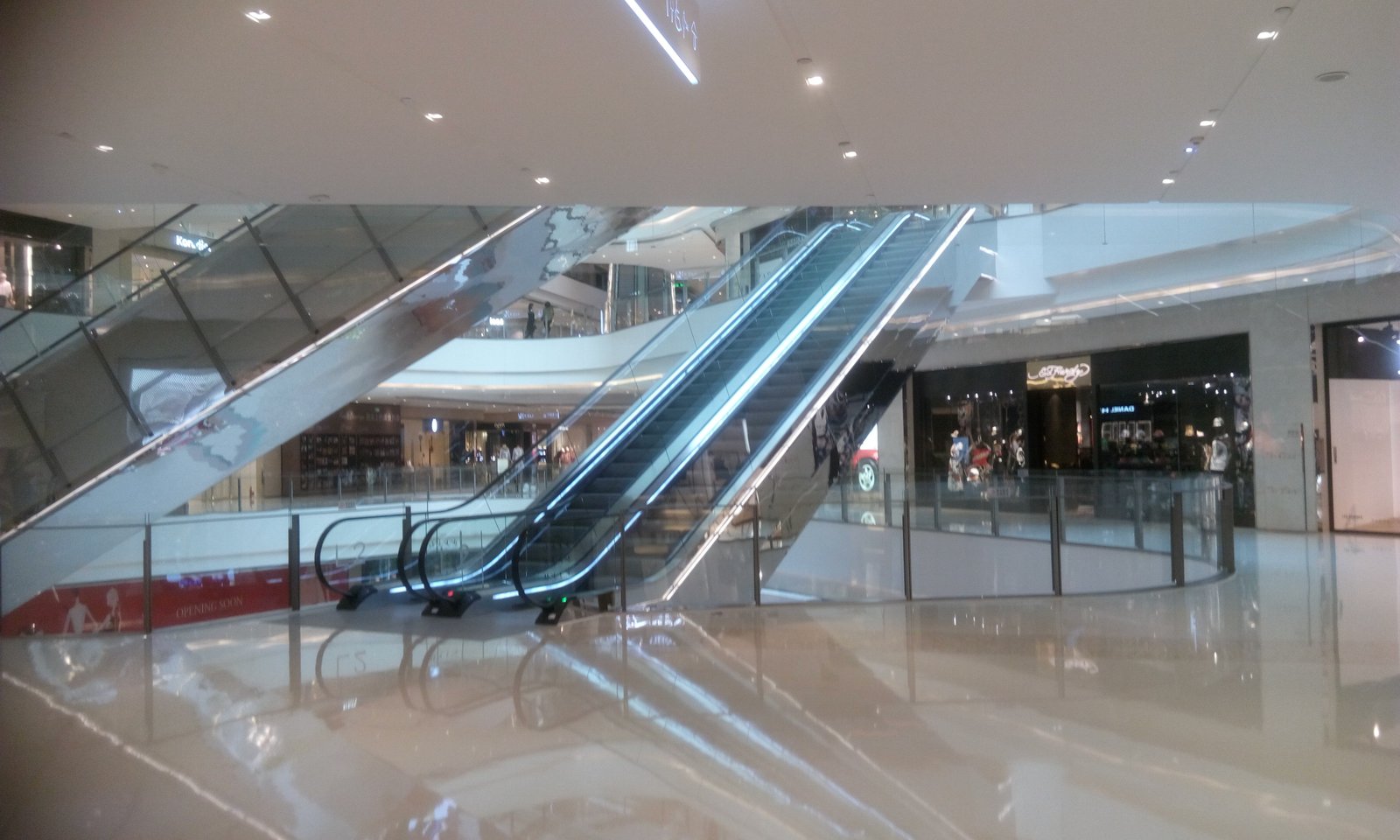
Two calendars
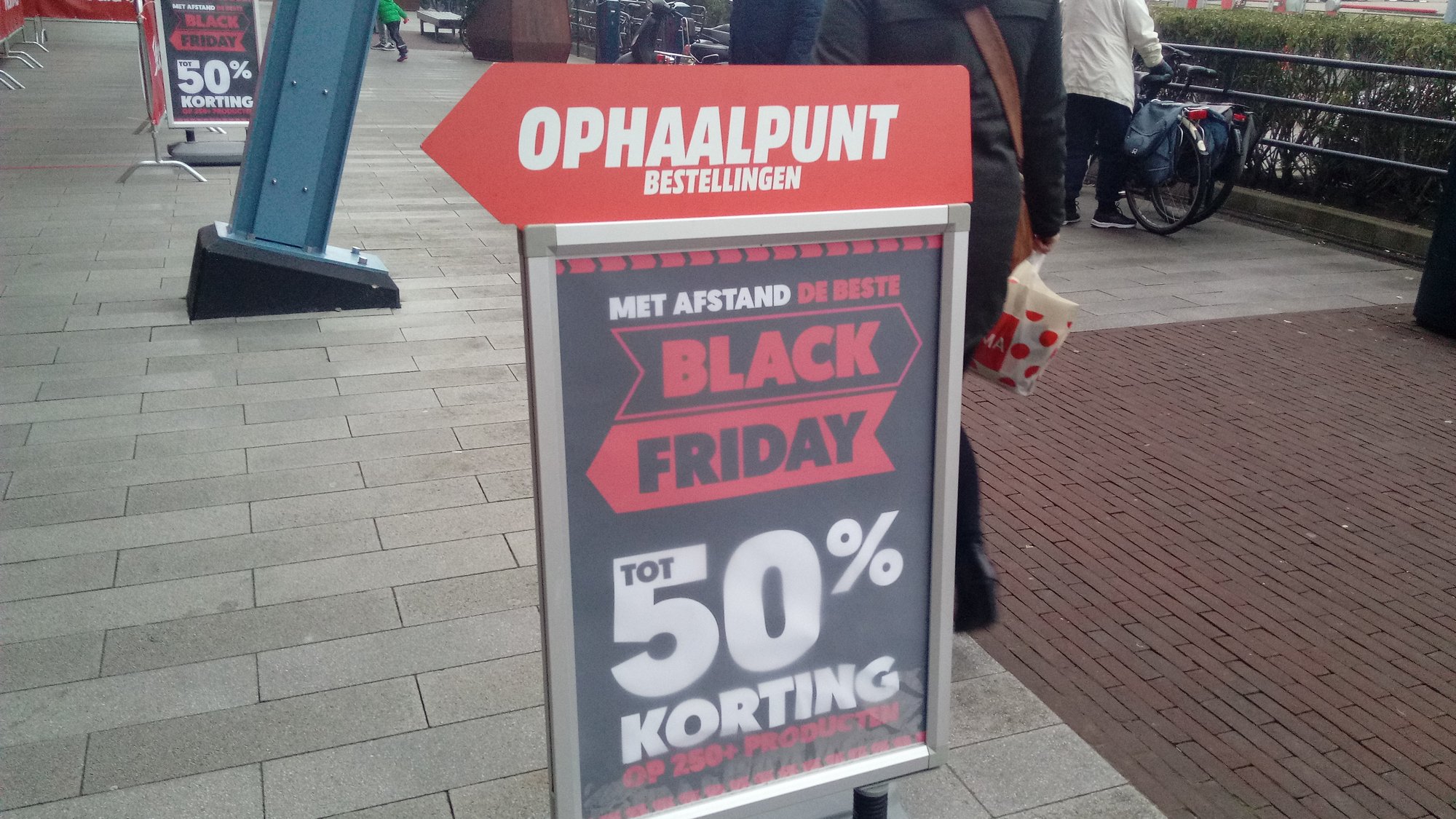
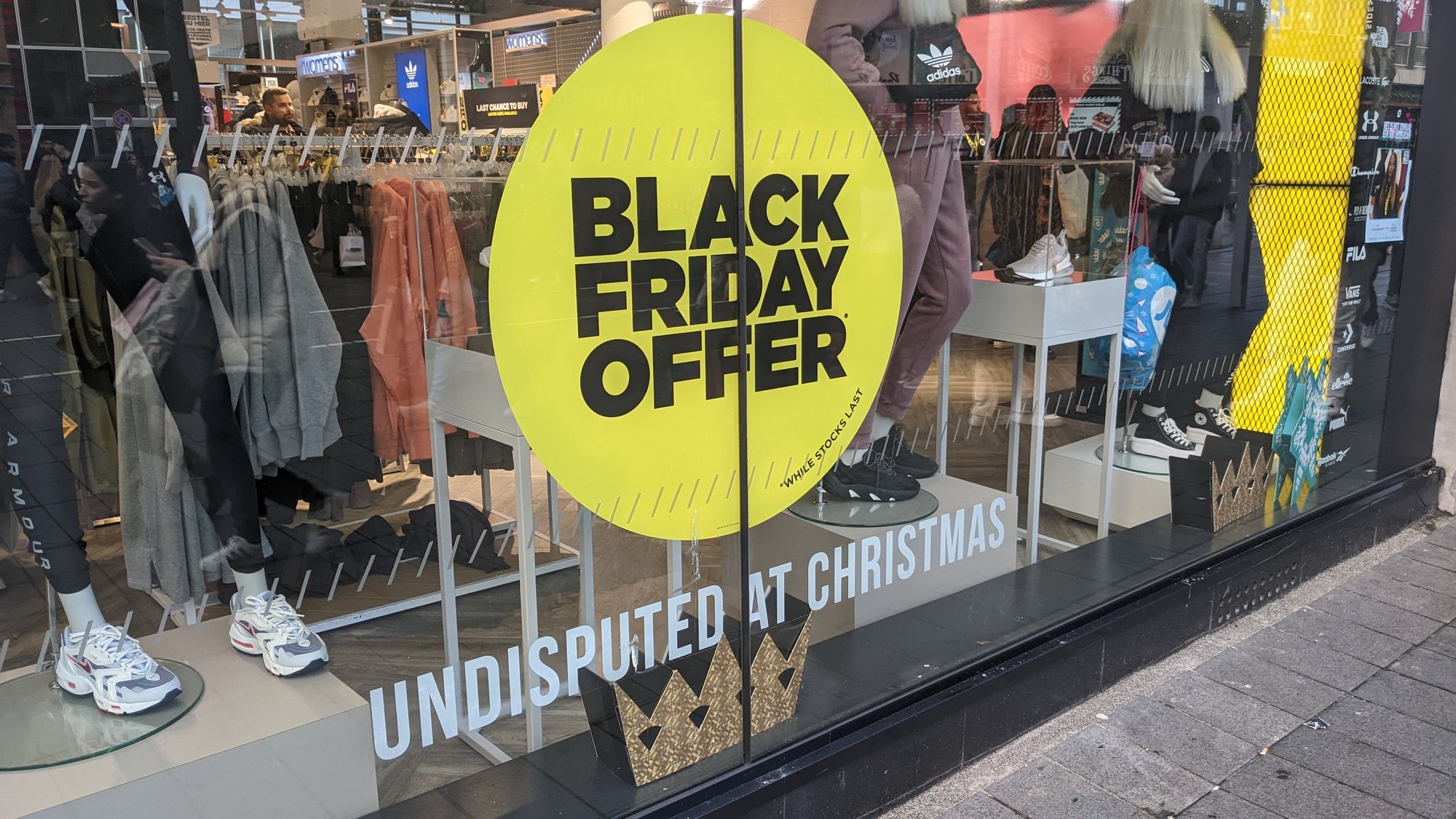
Black Friday grew out of US retail. Stores open early, windows shout SALE, and the day after Thanksgiving becomes a shopping holiday that other countries now copy. You will see the English name on European malls too. The photo language is the same everywhere: a red percentage, a queue, a cart.
China already had a November sale before Black Friday became a global meme. 双十一 (Shuāng shíyī) is 11/11. Platforms turn the whole day into an online festival. People talk about 购物 (gòuwù), 打折 (dǎzhé) and 优惠 (yōuhuì) for weeks around it. 双十二 (Shuāng shí'èr), 12 December, is a smaller cousin. Black Friday itself shows up in Chinese media as a foreign date, often written in English or as 黑色星期五 (hēisè xīngqīwǔ).
For a learner, the useful split is not West versus East as a stereotype. It is offline window versus phone cart. Black Friday still has street queues. 双十一 (Shuāng shíyī) lives mostly in apps, with 快递 (kuàidì) bags arriving for days after.
- 购物 gòuwù - shopping; to shop - can be studied in HanziBook Study →
- 打折 dǎzhé - to discount; on sale - can be studied in HanziBook Study →
- 优惠 yōuhuì - a deal; preferential price - can be studied in HanziBook Study →
- 快递 kuàidì - express delivery; parcel - can be studied in HanziBook Study →
What 双十一 (Shuāng shíyī) is
光棍节 (Guānggùn jié) began as a playful singles' day: four ones in 11/11. Platforms turned it into a shopping event. You will hear both names. 双十一 (Shuāng shíyī) is the retail label. 光棍节 (Guānggùn jié) still names the date and the joke about being single.
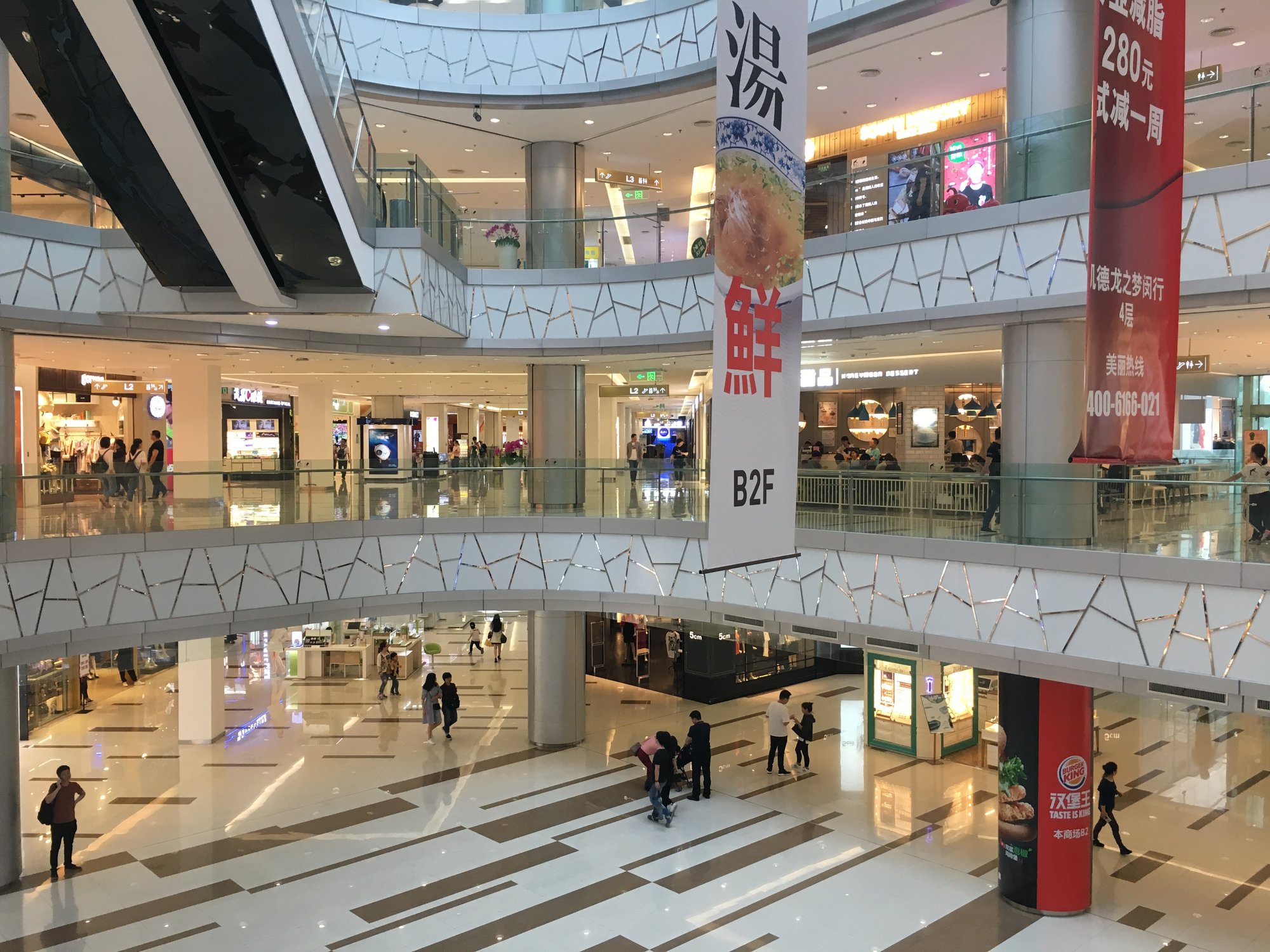
Inside a Chinese city, the mall does not vanish. Escalators, food courts and glass atriums stay busy. The difference is where the big November spend happens for many younger buyers: on the phone. You open an app, fill a 购物车 (gòuwùchē), tap 下单 (xiàdān), then 支付 (zhīfù). 包邮 (bāoyóu) means shipping is free. A red badge that says 打折 (dǎzhé) is not a bargain by itself; it is a signal to read the price carefully.
If you are in China that week, you will still walk through a 商场 (shāngchǎng). Ask 多少钱 (duōshao qián) the same way you would any other day. The festival vocabulary earns its keep when a friend texts a link, a courier calls, or a checkout screen is only in Chinese.

- 商场 shāngchǎng - shopping mall - can be studied in HanziBook Study →
- 购物车 gòuwùchē - shopping cart (in an app)
- 下单 xiàdān - to place an order
- 支付 zhīfù - to pay - can be studied in HanziBook Study →
- 包邮 bāoyóu - free shipping
- 网上 wǎngshàng - online; on the internet - can be studied in HanziBook Study →
Treat sale labels like weather: notice them, then check the number. 打折 (dǎzhé) names a discount. It does not promise a good one.
Words to study
Study the single lemmas. Festival names and checkout phrases stay in the table so you can read them as a line, not as a flashcard.
- 购物 gòuwù - shopping - can be studied in HanziBook Study →
- 商场 shāngchǎng - shopping mall - can be studied in HanziBook Study →
- 打折 dǎzhé - to discount - can be studied in HanziBook Study →
- 优惠 yōuhuì - a deal - can be studied in HanziBook Study →
- 便宜 piányi - inexpensive - can be studied in HanziBook Study →
- 贵 guì - expensive - can be studied in HanziBook Study →
- 钱 qián - money - can be studied in HanziBook Study →
- 买 mǎi - to buy - can be studied in HanziBook Study →
- 卖 mài - to sell - can be studied in HanziBook Study →
- 网上 wǎngshàng - online - can be studied in HanziBook Study →
- 购物车 gòuwùchē - shopping cart
- 下单 xiàdān - to place an order
- 支付 zhīfù - to pay - can be studied in HanziBook Study →
- 包邮 bāoyóu - free shipping
- 快递 kuàidì - express delivery - can be studied in HanziBook Study →
- 收 shōu - to receive; to collect - can be studied in HanziBook Study →
Tap Study → on a highlighted row, or tap an underlined word in the prose, to open that word in HanziBook.
What to say and tap
In a mall, ask the price. In an app, read the badges. With a courier, confirm the name on the bag.
| Chinese | Pinyin | When to use it |
|---|---|---|
| 双十一 (Shuāng shíyī) | Shuāng shíyī | 11 November shopping day |
| 光棍节 (Guānggùn jié) | Guānggùn jié | Singles' Day; the cultural name for 11/11 |
| 黑色星期五 (hēisè xīngqīwǔ) | hēisè xīngqīwǔ | Black Friday, when Chinese needs a full phrase |
| 多少钱 (duōshao qián) | duōshao qián | How much is it? |
| 打折吗 (dǎzhé ma) | dǎzhé ma | Is it on sale / discounted? |
| 包邮吗 (bāoyóu ma) | bāoyóu ma | Is shipping free? |
| 我要这个 (wǒ yào zhège) | wǒ yào zhège | I want this one |
| 快递到了 (kuàidì dào le) | kuàidì dào le | The parcel has arrived |
You do not need every coupon word on day one. 打折 (dǎzhé), 包邮 (bāoyóu), 下单 (xiàdān) and 快递 (kuàidì) already cover a sale screen and a doorstep drop.
Frequently asked questions
Is Black Friday a big deal inside China?
Less than 双十一 (Shuāng shíyī). Some brands run English Black Friday campaigns, especially for overseas audiences. For many shoppers in China, 11 November and the weeks around it already did the heavy lifting.
Should I learn 黑色星期五 (hēisè xīngqīwǔ)?
Yes as a recognition phrase. In conversation, people often keep the English name. In a Chinese article or news clip, 黑色星期五 (hēisè xīngqīwǔ) shows up. 双十一 (Shuāng shíyī) is the higher-frequency November word.
What is the difference between 打折 (dǎzhé) and 优惠 (yōuhuì)?
打折 (dǎzhé) points at a discount, often a fraction off. 优惠 (yōuhuì) is broader: a deal, a perk, a coupon flavour. On a banner, either can mean "cheaper than usual". Read the price either way.
Do I bargain during 双十一 (Shuāng shíyī)?
Not the way you bargain at a souvenir stall. Online prices are set by the platform and the shop. In a physical 商场 (shāngchǎng), normal rules apply: ask 多少钱 (duōshao qián), and only haggle where the stall expects it. See our markets post for that split.
Which words on this page can I study?
Single words such as 购物 (gòuwù), 打折 (dǎzhé), 包邮 (bāoyóu), 下单 (xiàdān) and 快递 (kuàidì). Festival names and questions stay in the phrase table, including 双十一 (Shuāng shíyī) and 打折吗 (dǎzhé ma).
Comments
Join the discussion after the page loads.